



You’re standing in the tool aisle at Home Depot. To your left, the sleek red Milwaukee tools that cost as much as a car payment. To your right, the wall of neon green Ryobi tools that cost… significantly less.
You hesitate. You’ve seen the memes. You’ve heard the snarky comments in forums calling them “Fisher-Price toys” or “cheap neon junk.”
But here is the honest truth: Ryobi is probably the best decision you can make for your home.
I’m not saying they are perfect. I’m saying they are misunderstood. Let’s cut through the brand snobbery and break down who these tools are actually for, and why the “pros” hate them while DIYers swear by them.
The Core of the Controversy: “Pro” vs. “Homeowner”
The hate usually comes from one specific group: Professional Contractors.
If you use a drill for 8 hours a day to mix concrete or drive lag bolts into steel, a Ryobi will melt. It just will. It’s not built for that abuse. Comparing a Ryobi to a Milwaukee is like comparing a Honda Civic to a Ford F-350. The Civic isn’t a “bad truck”—it’s just not a truck.
The “Plastic” Feel
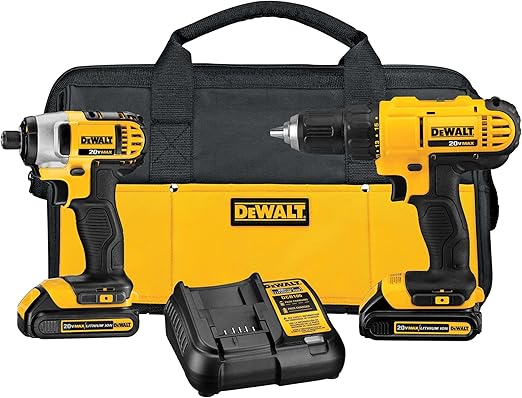
Yes, Ryobi tools feel lighter and more “plasticky” than DeWalt. The rubber over-mold isn’t as grippy. The buttons might feel a bit clickier. But that lightness is actually a feature when you’re holding a leaf blower for 20 minutes in your yard.
The Real Reason to Buy: The “Battery Trap” (In a Good Way)
This is where Ryobi wins, hands down. Their ecosystem is absurdly huge.
Once you buy that first drill and get two batteries, you have unlocked access to over 280 tools that all use the exact same battery. I’m talking about things you didn’t even know you needed:
- A hot glue gun (game changer for crafts)
- A tire inflator (save yourself a trip to the gas station)
- A clip-on fan (perfect for camping)
- A bug zapper
Other brands change their battery shapes every few years. Ryobi has kept the same 18V post style since 1996. That level of commitment to backward compatibility is rare.

Value vs. Performance: How to Decide
Instead of asking “Is Ryobi good?”, ask yourself: “How often will I use this?”
- You are a homeowner or renter doing weekend projects.
- You want one battery that powers your drill AND your weed whacker.
- You’d rather own 5 different tools for the price of 1 “Pro” tool.
- You earn your living with these tools (Contractor/Trade).
- You plan to drop them off ladders onto concrete daily.
- You care deeply about what strangers on Reddit think of your tool collection.
For 95% of the population, Ryobi sits in that sweet spot of “good enough to get the job done without crying when you check your bank account.”

Frequently Asked Questions
Technically, yes. Both brands are owned by the same parent company, TTI (Techtronic Industries). However, they are engineered for completely different markets. Think of it like Toyota and Lexus.
Yes! Ryobi is famous for this. An 18V ONE+ battery from 10 years ago will fit a brand new drill bought today, and vice versa.
Ryobi uses more plastic components (like the chucks and gears) and lighter-duty motors. This keeps costs down for DIYers who don’t need industrial-grade durability.
The Bottom Line: Don’t let the neon green scare you off. Unless you’re building a skyscraper, Ryobi is likely all the tool you’ll ever need.